Termites are among the most destructive pests that can invade a home. Unlike insects that leave obvious signs of their presence, termites often work quietly behind walls, beneath floors, and inside wooden structures, causing significant damage before homeowners even realize they have a problem. Because they feed on cellulose-containing materials, termites can gradually weaken structural components, damage flooring, compromise framing, and reduce the overall integrity of a property. By the time visible damage appears, repairs can become extensive and expensive. Understanding the best way to control termites and protect your home is essential for preserving both your investment and your peace of mind.
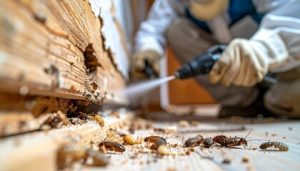
Many homeowners assume termite infestations happen suddenly, but in reality, these pests often establish colonies gradually over time. They seek environments that provide moisture, food sources, and shelter, making residential properties particularly attractive when conditions are favorable. Once termites gain access to a structure, they can continue feeding for years if the infestation goes unnoticed. This is why prevention, early detection, and timely treatment are all equally important components of an effective termite control strategy. Check out https://www.benspest.biz/ for more details.
One of the biggest challenges with termites is that they rarely remain visible. Unlike ants or other insects that travel openly across floors and countertops, termites typically remain hidden within walls, crawl spaces, foundations, and wooden framing. Their secretive behavior allows colonies to expand while causing damage behind the scenes. Because of this, homeowners should never assume that the absence of visible insects means their property is termite-free. Regular inspections and proactive maintenance remain some of the most effective ways to identify problems before they become severe.
Understanding what attracts termites is an important first step in protecting a property. Moisture is one of the primary factors that encourage termite activity. Leaking pipes, poor drainage, damp crawl spaces, clogged gutters, and areas where water collects near the foundation all create favorable conditions for termite colonies. Moist wood is easier for termites to penetrate and consume, making water management a critical aspect of long-term termite prevention.
Wood-to-soil contact also increases the likelihood of termite activity. When structural wood, fencing, decks, or other wooden components remain in direct contact with soil, termites gain easier access to food sources without exposing themselves to open air. Creating separation between soil and wooden structures helps reduce opportunities for termites to enter the home unnoticed. Even landscaping materials placed too close to exterior walls can contribute to favorable conditions if they retain excessive moisture.
Routine property inspections are among the most valuable tools for termite prevention. Many termite infestations begin in areas that homeowners rarely examine, such as basements, crawl spaces, attics, utility rooms, and exterior foundations. Regularly checking these locations for signs of moisture, damaged wood, mud tubes, or unusual changes in wooden surfaces increases the chances of identifying problems during their earliest stages. Early detection often limits both structural damage and treatment costs.
Mud tubes are one of the most recognizable signs associated with certain termite species. These narrow tunnels allow termites to travel safely between the soil and food sources while remaining protected from light and dry air. Although not every infestation produces obvious mud tubes, discovering these structures should always prompt immediate attention because they often indicate active termite movement between the ground and the building.
Wood damage itself may also provide important clues. Hollow-sounding wood, blistering surfaces, sagging floors, cracked trim, sticking doors, or unexplained structural changes can all indicate hidden termite activity. Because termites consume wood from the inside outward, external surfaces often remain intact even after significant internal damage has occurred. This makes professional evaluation especially valuable whenever suspicious signs appear.
Moisture management plays a central role in effective termite prevention. Proper drainage, functioning gutters, well-maintained downspouts, adequate ventilation, and prompt plumbing repairs all help reduce conditions that attract termites. Keeping crawl spaces dry and preventing standing water near foundations creates a less inviting environment for termite colonies while benefiting the overall health of the structure.
Homeowners should also pay attention to landscaping practices around the property. Firewood, lumber, tree stumps, mulch, and other cellulose-based materials stored too close to the home can provide both food and shelter for termites. Maintaining appropriate spacing between these materials and the structure reduces opportunities for termites to establish colonies near the building before eventually moving indoors.
When protecting a home from termites, prioritize these important preventive measures:
- Eliminate excess moisture by repairing leaks, improving drainage, and maintaining proper ventilation throughout the property.
- Schedule regular inspections to identify termite activity before structural damage becomes extensive and more expensive to repair.
These proactive habits create a strong foundation for long-term termite prevention while reducing the likelihood of significant infestations.
Professional termite control offers advantages that extend beyond treating visible infestations. Experienced pest management professionals understand termite biology, colony behavior, and the most effective treatment strategies for different situations. Rather than focusing only on insects that can be seen, comprehensive termite control addresses the colony itself while reducing the risk of future infestations. This broader approach often provides longer-lasting protection than temporary or surface-level treatments.
Modern termite control methods may involve multiple strategies depending on the property’s specific conditions. Treatment plans often consider factors such as construction type, infestation severity, soil conditions, moisture levels, and potential points of entry. Because every property presents unique challenges, customized solutions generally produce better long-term results than generic treatment approaches.
Preventive treatments also play an important role in termite management. Rather than waiting for visible damage to appear, many homeowners choose proactive protection designed to discourage termite activity before colonies become established. Preventive measures often prove more economical than repairing extensive structural damage caused by long-term infestations. Investing in prevention helps preserve both the condition and value of the property over time.
Construction practices also influence long-term termite resistance. Proper foundation design, moisture barriers, treated building materials where appropriate, and thoughtful site grading all contribute to reducing termite risks. While homeowners may not always control these original construction decisions, understanding their importance helps guide future renovations and maintenance projects.
Ventilation is another often-overlooked factor in termite prevention. Areas with poor airflow tend to retain higher moisture levels, creating favorable environments for termites and other wood-damaging organisms. Improving air circulation in crawl spaces, attics, and enclosed storage areas supports drier conditions that discourage termite activity while promoting overall building health.
Regular maintenance remains one of the most effective defenses against termite problems. Small maintenance tasks such as sealing foundation cracks, replacing damaged wood, repairing leaking roofs, cleaning gutters, and trimming vegetation away from exterior walls all contribute to reducing termite access points. Although each task may appear minor individually, together they create a much less attractive environment for termite colonies.
Another benefit of consistent property maintenance is that it allows homeowners to become familiar with normal conditions around the home. This familiarity makes unusual changes easier to recognize. Discovering damaged wood, unexplained moisture, or subtle structural changes early often leads to faster investigation and more successful treatment outcomes.
Homeowners should also understand that termite activity is not necessarily limited to older buildings. Newer homes may also experience infestations if environmental conditions support termite survival. Construction age alone does not determine vulnerability. Ongoing maintenance and regular inspections remain important regardless of when the property was built.
Technology has also improved modern termite inspections. Moisture detection equipment, thermal imaging, specialized inspection tools, and advanced monitoring systems allow professionals to identify hidden termite activity more accurately than visual inspections alone. These advancements help detect problems before visible structural damage becomes widespread, supporting more efficient treatment and preservation of building materials.
Education is another valuable component of termite prevention. Homeowners who understand how termites behave are better equipped to recognize warning signs and take prompt action. Learning about moisture management, structural maintenance, and routine inspection practices empowers property owners to participate actively in protecting their homes rather than relying solely on reactive treatments after damage occurs.
If termite activity is suspected, delaying action is rarely advisable. Because colonies continue feeding every day, structural damage generally worsens over time when infestations remain untreated. Prompt evaluation allows treatment to begin before repairs become more extensive and expensive. Acting quickly often saves both time and money while reducing disruption to the household.
To strengthen long-term termite protection, remember these practical recommendations:
- Maintain a clean, dry exterior by reducing wood-to-soil contact and removing excess organic materials stored near the home’s foundation.
- Treat termite prevention as an ongoing maintenance priority rather than a one-time solution, combining inspections with routine property care throughout the year.
These consistent efforts significantly improve a home’s resistance to termite activity while supporting long-term structural preservation.
The financial benefits of termite prevention should not be underestimated. Repairing damaged framing, flooring, walls, trim, cabinets, and structural components can become extremely costly once infestations progress. Investing in preventive maintenance and routine inspections often represents a small fraction of the expense associated with major structural restoration. Protecting the home before damage occurs remains one of the most cost-effective strategies available.
Beyond financial considerations, termite prevention also provides valuable peace of mind. Knowing that a home is regularly inspected, properly maintained, and protected against one of the most destructive household pests allows homeowners to focus on enjoying their property rather than worrying about hidden structural damage developing unnoticed.
Ultimately, the best way to control termites and protect your home involves a combination of prevention, regular inspections, moisture management, and professional treatment when necessary. No single solution guarantees permanent protection, but consistent maintenance and early intervention dramatically reduce the likelihood of severe infestations. Addressing favorable conditions before termites become established is far more effective than attempting to repair extensive structural damage afterward.
Every homeowner benefits from understanding the importance of proactive termite control. By managing moisture, maintaining the property’s exterior, reducing termite access points, scheduling routine inspections, and responding quickly to warning signs, homeowners can significantly improve the long-term health of their property. A well-maintained home is not only more resistant to termite activity but also better equipped to withstand many other common structural challenges.
Protecting a home from termites requires ongoing attention, but the rewards are substantial. Strong structural integrity, reduced repair costs, improved property value, and greater confidence in the condition of the home all result from a comprehensive termite prevention strategy. With thoughtful planning and consistent care, homeowners can greatly reduce the risk of termite damage and preserve their investment for many years to come.