Water damage can happen without warning. A burst pipe, overflowing appliance, severe storm, plumbing failure, or unexpected leak can quickly send water into areas of a home or commercial property where it does not belong. While the initial flooding may seem like the biggest concern, the damage often continues long after the water stops flowing. Moisture trapped beneath flooring, behind walls, and inside building materials can create problems that become increasingly expensive if they are not addressed immediately. That is why Emergency Water Removal Salt Lake City is one of the most critical steps in protecting a property’s structure and preventing long-term damage.
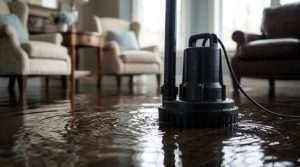
Many people assume that simply removing visible standing water is enough to restore a property after a water-related incident. Unfortunately, the situation is rarely that simple. Water has a remarkable ability to travel through cracks, seams, joints, and porous materials. It can soak into hardwood flooring, seep beneath laminate planks, saturate carpet padding, and penetrate drywall within a surprisingly short period. Even when surfaces appear dry, hidden moisture may remain trapped inside building materials, quietly causing deterioration that becomes apparent weeks or even months later.
Emergency water removal focuses on acting quickly to minimize this hidden damage. By extracting standing water, reducing moisture levels, and beginning the drying process immediately, property owners can significantly reduce the likelihood of structural deterioration, costly repairs, and lengthy restoration projects. Time is one of the most important factors in water damage recovery, and every hour counts when protecting flooring and drywall from permanent damage.
Flooring is often one of the first parts of a building affected by water intrusion. Because floors sit at the lowest point in a room, water naturally collects there, allowing prolonged contact with various flooring materials. Different types of flooring respond differently to moisture, but nearly all can experience damage if exposed for too long. Hardwood may expand and warp, laminate flooring can swell and separate, carpet may trap moisture deep within its padding, and certain engineered materials may lose their structural stability. Prompt emergency water removal helps reduce the amount of water absorbed by these materials, improving the chances of successful restoration.
Even flooring materials that appear resistant to water may conceal hidden moisture underneath. Water frequently travels beneath flooring surfaces where it becomes trapped between the finished floor and the subfloor. Without immediate extraction and drying, this hidden moisture can weaken adhesives, damage subfloor materials, and create favorable conditions for microbial growth. Professional water removal addresses both visible and concealed moisture, helping preserve the integrity of the entire flooring system rather than only its surface.
Hardwood flooring deserves particular attention because natural wood is highly sensitive to moisture changes. When exposed to excessive water, wood fibers absorb moisture and begin expanding. As the wood dries unevenly, boards may cup, buckle, crack, or separate. Early emergency water removal significantly improves the possibility of stabilizing moisture levels before permanent distortion occurs. Preserving existing hardwood flooring is often far less expensive than replacing large sections that have suffered irreversible damage.
Carpeted areas also require immediate attention following water intrusion. While the carpet fibers themselves may appear relatively unaffected initially, the padding beneath often absorbs large amounts of moisture. Once saturated, carpet padding becomes difficult to dry completely without specialized equipment. Prolonged moisture beneath carpeting can contribute to unpleasant odors, deterioration of underlying materials, and additional restoration challenges. Rapid water extraction helps minimize these risks while supporting a more effective drying process.
Drywall is another building material that reacts quickly to water exposure. Because drywall contains a gypsum core surrounded by paper, it readily absorbs moisture when water comes into contact with its surface. Depending on the amount of water involved, drywall may soften, swell, stain, or lose structural strength. In severe cases, prolonged saturation can compromise the wall’s integrity, requiring extensive replacement rather than repair.
One of the challenges with drywall is that moisture frequently spreads beyond the visibly wet area. Water can travel downward inside wall cavities or spread horizontally through insulation and framing components. What appears to be a relatively small leak on the surface may actually represent much larger hidden moisture accumulation behind the wall. Emergency water removal helps reduce moisture migration before it affects additional structural materials throughout the building.
Quick action also helps preserve interior finishes. Painted drywall, trim, baseboards, and decorative moldings often experience less damage when moisture is removed promptly. Delayed drying may lead to peeling paint, bubbling finishes, warped trim, or discoloration that requires additional repair work beyond the original water damage. Addressing moisture early helps maintain the appearance and condition of surrounding surfaces while reducing overall restoration costs.
One of the greatest advantages of emergency water removal is minimizing secondary damage. Water damage rarely remains isolated to the original affected area. As moisture spreads through flooring, drywall, insulation, framing, and cabinetry, repair costs increase significantly. Immediate extraction interrupts this progression, helping contain the damage before it extends throughout the property.
When responding to water damage, prioritize these essential actions:
- Remove standing water as quickly as possible to reduce absorption into flooring, drywall, and structural materials.
- Begin thorough drying immediately to eliminate hidden moisture before it causes additional deterioration.
Taking these initial steps dramatically improves the likelihood of preserving existing materials and limiting restoration expenses.
Another important benefit of emergency water removal is protecting the structural components beneath finished surfaces. Subfloors, wall framing, floor joists, and support structures can all absorb moisture if water remains present for extended periods. Although these structural elements are not immediately visible, damage to them can compromise the stability of the building and require much more extensive repairs. Removing water before it penetrates deeply into these components helps preserve the overall strength of the structure.
Moisture trapped inside walls also affects insulation performance. Wet insulation loses much of its ability to regulate indoor temperatures effectively, reducing energy efficiency and increasing heating or cooling demands. In addition to energy concerns, damp insulation can prolong drying times throughout the wall assembly. Emergency water removal combined with proper drying helps minimize these complications while restoring the building to normal conditions more efficiently.
Indoor air quality is another important consideration following water intrusion. Excess moisture contributes to elevated humidity levels inside the property, creating an uncomfortable indoor environment. Damp building materials may also develop persistent odors if not dried promptly. Rapid water removal helps reduce indoor humidity while limiting the conditions that contribute to stale or musty smells. Restoring appropriate moisture levels supports a healthier and more comfortable indoor environment for occupants.
Furniture, cabinetry, and built-in fixtures also benefit from prompt water removal. Moisture spreading across floors often reaches base cabinets, furniture legs, trim, and other wooden components. Reducing water exposure limits swelling, staining, and finish damage while helping preserve valuable interior features that would otherwise require replacement or refinishing.
Many property owners underestimate how quickly water damage can escalate. Within a relatively short period, moisture begins penetrating porous materials, softening adhesives, weakening structural connections, and affecting surrounding finishes. The longer water remains in contact with building materials, the more difficult restoration becomes. Emergency response significantly improves the chances of salvaging existing flooring, drywall, and other interior components before permanent damage develops.
Modern drying techniques focus not only on removing standing water but also on extracting moisture trapped within materials. Air circulation, controlled dehumidification, and continuous moisture monitoring work together to restore safe moisture levels throughout the affected area. This comprehensive approach helps ensure that hidden moisture does not remain behind walls or beneath flooring after visible surfaces appear dry.
Preventing unnecessary demolition is another advantage of rapid water removal. When moisture is addressed immediately, many materials can often be dried and restored rather than removed entirely. Preserving existing flooring, drywall, trim, and finishes reduces waste while minimizing both repair costs and project timelines. Early intervention often allows restoration efforts to focus on recovery rather than complete replacement.
Another important consideration is protecting future property value. Visible signs of previous water damage, including warped flooring, stained walls, uneven surfaces, or deteriorated finishes, can negatively affect a property’s appearance and marketability. Addressing water intrusion promptly helps preserve both the structural integrity and visual appeal of the building, supporting its long-term value.
Property owners should also understand that not all water damage is immediately obvious. Small leaks hidden beneath appliances, behind walls, or under flooring may continue causing gradual deterioration long before visible symptoms appear. Regular inspections and prompt response to even minor water incidents help reduce the likelihood of extensive hidden damage developing over time.
To reduce long-term repair costs after water intrusion, remember these important recommendations:
- Never assume that dry-looking surfaces are free from moisture, as water frequently remains hidden beneath flooring and inside wall assemblies.
- Treat every water intrusion as a time-sensitive situation, recognizing that rapid response significantly improves restoration outcomes.
These proactive habits can make a substantial difference in limiting damage and preserving building materials.
Beyond protecting physical materials, emergency water removal also reduces disruption to daily life. Extensive reconstruction often requires prolonged repairs, temporary relocation of furniture, restricted access to living spaces, and significant inconvenience for occupants. By minimizing damage through early intervention, restoration projects are often completed more efficiently, allowing homeowners and businesses to return to normal routines sooner.
Long-term maintenance also becomes easier when water damage is addressed immediately. Flooring that remains structurally sound continues performing as intended, while properly dried drywall retains its strength and appearance. Avoiding hidden moisture issues helps prevent recurring repairs and contributes to greater confidence in the condition of the property moving forward.
Ultimately, emergency water removal is not simply about eliminating standing water. It is a comprehensive process designed to protect the building’s structural components, preserve valuable finishes, and reduce the long-term consequences of water intrusion. Flooring and drywall are especially vulnerable because of their ability to absorb moisture quickly, making immediate response essential for preventing irreversible damage.
Whether water enters a property because of plumbing failures, appliance malfunctions, roof leaks, or severe weather, acting without delay offers the greatest opportunity to minimize repairs and protect valuable building materials. Prompt emergency water removal helps safeguard flooring from warping, protects drywall from deterioration, reduces hidden moisture, and limits the spread of damage throughout the property.
By understanding the importance of rapid response, property owners can make informed decisions that protect both their investment and their peace of mind. Emergency water removal is one of the most effective ways to preserve the condition of flooring and drywall, reduce restoration costs, and maintain a safe, comfortable, and attractive indoor environment for years to come.