Creating a beautiful outdoor space no longer has to come at the expense of the environment. Today, more homeowners and property managers are embracing sustainable landscaping designs that not only improve the appearance of their properties but also conserve valuable natural resources. Instead of relying on resource-intensive practices that require excessive watering, chemical treatments, and constant maintenance, sustainable landscaping focuses on working with nature rather than against it. The result is an outdoor environment that is visually appealing, healthier for surrounding ecosystems, and more cost-effective to maintain over time.
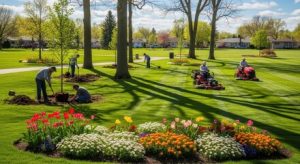
Sustainable Landscapers Oahu is much more than choosing a few drought-tolerant plants or reducing water usage. It is a thoughtful approach to landscape design that considers soil health, water conservation, biodiversity, energy efficiency, and long-term maintenance. Every decision—from selecting plants and designing irrigation systems to managing stormwater and preserving existing vegetation—plays a role in creating a landscape that supports both the property and the environment. By planning carefully and prioritizing sustainability from the beginning, homeowners can enjoy attractive outdoor spaces that remain functional and resilient for many years.
One of the primary goals of sustainable landscaping is reducing unnecessary resource consumption while maintaining a vibrant and inviting landscape. Traditional landscaping often requires large amounts of water, fertilizers, pesticides, fuel, and labor to keep lawns and ornamental plants looking their best. Sustainable designs, on the other hand, seek to minimize these inputs by selecting plants that naturally thrive under local environmental conditions and by creating landscapes that require less intervention. This balanced approach reduces ongoing maintenance while helping preserve valuable natural resources.
Water conservation is one of the most important principles of sustainable landscaping. Outdoor irrigation accounts for a significant portion of residential water usage in many regions, especially during warmer months. Excessive watering not only wastes a valuable resource but may also contribute to runoff, soil erosion, and unnecessary utility expenses. Sustainable landscape designs reduce water demand by incorporating efficient irrigation methods, improving soil quality, and selecting plants that require less supplemental watering once established.
Healthy soil plays a crucial role in water conservation because it retains moisture more effectively than compacted or nutrient-depleted soil. Organic matter, compost, and natural mulches improve soil structure, allowing it to absorb rainfall more efficiently while reducing evaporation. As a result, plants receive more consistent moisture, requiring less frequent irrigation even during dry periods. Investing in soil health creates long-term benefits that support nearly every aspect of a sustainable landscape.
Plant selection is another key component of environmentally responsible landscaping. Rather than choosing vegetation based solely on appearance, sustainable landscape design considers how plants will perform over time. Selecting species that naturally adapt to local climate conditions often results in stronger growth, lower maintenance requirements, and reduced dependence on irrigation and chemical treatments. Diverse plantings also create healthier ecosystems by supporting pollinators, birds, and beneficial insects that contribute to ecological balance.
Diversity within the landscape offers additional advantages beyond aesthetics. A variety of trees, shrubs, ornamental grasses, flowering plants, and ground covers creates multiple layers of vegetation that improve habitat while enhancing visual interest throughout the year. Landscapes featuring diverse plant communities are often more resilient because they are less vulnerable to widespread damage caused by pests, diseases, or changing weather conditions.
Tree placement deserves special attention in sustainable landscape planning. Well-positioned trees provide shade that naturally cools outdoor living spaces and nearby buildings during warmer months. By reducing direct sunlight on roofs, windows, and paved surfaces, trees can help lower indoor temperatures and decrease the demand for mechanical cooling. During cooler seasons, carefully planned tree placement may also allow additional sunlight to reach buildings, contributing to greater energy efficiency throughout the year.
Mulching is another simple yet highly effective sustainable landscaping practice. Organic mulch helps regulate soil temperature, reduce weed growth, minimize moisture evaporation, and gradually improve soil quality as it decomposes. Applying mulch around trees, shrubs, and planting beds creates healthier growing conditions while reducing the need for frequent watering and chemical weed control. This relatively small investment often delivers significant long-term benefits for both plants and property owners.
Stormwater management has become an increasingly important consideration in modern landscape design. Instead of allowing rainwater to flow quickly across hard surfaces and into drainage systems, sustainable landscapes encourage water to soak naturally into the soil. Features such as permeable surfaces, planting beds, bioswales, and strategically graded landscapes help slow water movement while promoting groundwater recharge. These approaches reduce erosion, minimize runoff, and support healthier soil conditions throughout the property.
Homeowners interested in creating a more sustainable landscape should prioritize these essential strategies:
- Improve soil health and choose appropriate plant varieties to reduce long-term water usage and maintenance requirements.
- Design landscapes that capture, absorb, and effectively manage rainfall rather than allowing excessive runoff.
These practical steps establish a strong foundation for environmentally responsible landscaping while creating attractive and functional outdoor spaces.
Reducing lawn size is another strategy frequently incorporated into sustainable landscaping designs. While lawns certainly have their place, maintaining large expanses of traditional turf often requires significant amounts of water, fertilizer, and ongoing maintenance. Replacing portions of lawn with planting beds, ornamental grasses, ground covers, decorative stone, or outdoor gathering spaces can dramatically reduce maintenance demands while introducing greater visual variety throughout the landscape.
Outdoor living areas also benefit from sustainable planning. Patios, walkways, seating areas, and gathering spaces can be designed using durable materials that complement surrounding vegetation while minimizing environmental impact. Integrating these functional spaces into the natural landscape encourages outdoor enjoyment without sacrificing ecological responsibility. Careful placement of outdoor features also helps preserve existing vegetation and reduce unnecessary site disturbance during construction.
Lighting is another area where sustainable landscaping principles can be applied effectively. Thoughtfully positioned outdoor lighting enhances safety, highlights landscape features, and extends the usability of outdoor living areas after sunset. Selecting energy-efficient lighting solutions and limiting unnecessary illumination helps reduce energy consumption while minimizing light pollution that may affect wildlife and neighboring properties.
Sustainable landscaping also encourages thoughtful maintenance practices. Rather than relying heavily on chemical treatments, environmentally conscious landscape care emphasizes prevention through healthy soil, proper plant selection, regular pruning, and efficient irrigation. Strong, healthy plants naturally resist many common problems, reducing the need for pesticides and excessive fertilizer applications. This balanced approach supports healthier ecosystems while creating safer outdoor environments for families and pets.
Wildlife habitat is another important benefit of sustainable landscape design. Carefully selected trees, shrubs, flowering plants, and water sources provide food, shelter, and nesting opportunities for birds, butterflies, pollinators, and other beneficial wildlife. Encouraging biodiversity contributes to healthier ecosystems while adding movement, color, and seasonal interest throughout the landscape.
Seasonal adaptability also contributes to sustainability. Landscapes designed with year-round interest require less frequent replacement of annual plantings while maintaining visual appeal throughout changing seasons. Evergreen plants, ornamental grasses, flowering perennials, and trees with attractive bark or seasonal foliage all contribute to landscapes that remain engaging regardless of the time of year.
One often-overlooked advantage of sustainable landscaping is its potential to reduce long-term maintenance expenses. While thoughtful planning may require greater initial consideration, landscapes designed for efficiency generally require less watering, mowing, fertilizing, pruning, and pest management over time. Lower maintenance demands save both time and money while allowing homeowners to enjoy their outdoor spaces rather than constantly maintaining them.
Property value may also benefit from well-designed sustainable landscapes. Attractive outdoor environments that appear healthy, organized, and environmentally responsible create positive first impressions for visitors and potential buyers alike. Mature trees, professionally designed planting beds, and efficient water management systems contribute to curb appeal while demonstrating long-term care and thoughtful property stewardship.
Climate resilience has become another increasingly important consideration in landscape planning. Sustainable landscapes are often better equipped to withstand changing weather conditions because they rely on healthy soil, diverse plantings, and efficient water management rather than intensive maintenance. This resilience helps landscapes recover more quickly from periods of drought, heavy rainfall, or seasonal temperature fluctuations.
Technology also supports sustainable landscaping through advances in irrigation management, moisture monitoring, and landscape planning. Smart irrigation systems, soil moisture sensors, and programmable watering schedules help deliver water only when needed, reducing waste while maintaining healthy plant growth. These innovations allow homeowners to conserve resources without compromising landscape quality.
As sustainable landscapes mature, they often become even more attractive and functional. Trees provide increased shade, root systems improve soil stability, and established plants require less supplemental care than newly installed landscapes. This gradual improvement demonstrates one of the greatest strengths of sustainable design: its ability to become more efficient and resilient over time.
When planning a sustainable landscape, remember these important recommendations:
- Focus on long-term performance rather than immediate appearance by selecting durable materials and adaptable plant communities.
- Balance beauty with practicality by creating landscapes that conserve resources while supporting everyday enjoyment and outdoor living.
These guiding principles help ensure that sustainable landscapes continue providing value long after installation is complete.
Another appealing aspect of sustainable landscaping is its flexibility. Every property has unique opportunities based on available space, sunlight, soil conditions, and intended use. Sustainable principles can be applied to small residential gardens, expansive yards, commercial properties, and shared community spaces alike. The goal is not to create a specific appearance but rather to develop outdoor environments that function efficiently while respecting natural systems.
Perhaps the greatest benefit of sustainable landscaping is the harmony it creates between people and nature. Instead of forcing landscapes to conform to unrealistic expectations through constant resource consumption, sustainable design embraces natural processes that support healthier ecosystems and more enjoyable outdoor spaces. The result is a landscape that feels balanced, inviting, and capable of thriving with fewer external inputs.
Ultimately, sustainable landscaping designs represent an investment in both environmental responsibility and long-term property value. By conserving water, improving soil health, supporting biodiversity, reducing maintenance requirements, and creating attractive outdoor environments, these landscapes deliver benefits that extend far beyond aesthetics. They demonstrate that beautiful landscapes and responsible resource management can successfully coexist.
Whether creating a new landscape or improving an existing one, adopting sustainable landscaping principles allows homeowners to build outdoor spaces that enhance nature while saving valuable resources. Through thoughtful planning, careful plant selection, efficient water management, and environmentally conscious maintenance practices, sustainable landscapes provide lasting beauty, improved functionality, and meaningful environmental benefits for years to come. As more property owners recognize the value of working with nature instead of against it, sustainable landscaping will continue to shape the future of outdoor design, creating greener, healthier, and more resilient environments for generations to enjoy.